
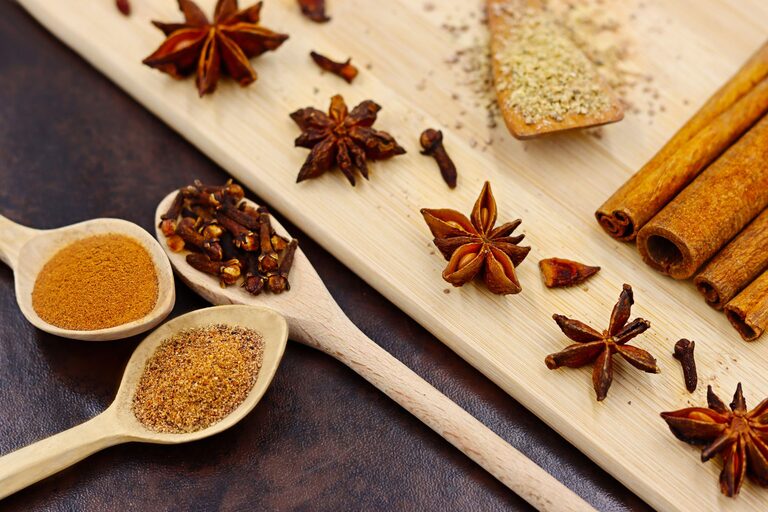
Explore Global Spice Blends With Simple Homemade Recipes
A World of Flavor in Your Kitchen
Spice blends are an easy way to explore global cooking without buying a long list of individual ingredients for every recipe. A small jar of carefully combined spices can add warmth, color, aroma, and depth to familiar foods such as roasted vegetables, rice, beans, soups, and grilled meats.
Many traditional blends vary by region, family, and personal preference. The recipes below are inspired by well-known flavor profiles, but they are flexible rather than strict formulas. Adjust the amounts to suit your taste and use what you already have in your pantry.
For the best results, use fresh, fragrant spices and store each blend in a clean, airtight container away from heat and direct sunlight.
How to Build a Balanced Spice Blend
A successful blend usually combines several types of flavor:
– Warm spices, such as cinnamon, cumin, or allspice
– Earthy spices, such as coriander, turmeric, or paprika
– Fresh notes, such as dried herbs, lemon zest, or dried mint
– Heat, from chili powder, cayenne, or red pepper flakes
– Savory ingredients, such as garlic powder, onion powder, or dried herbs
Start with small batches. This allows you to adjust the flavor before committing to a large quantity. If a blend tastes too strong, add more of its mildest ingredient. If it needs brightness, try a little dried citrus zest or sumac. For more heat, add chili gradually.
Moroccan Inspired Ras el Hanout
Ras el hanout is a fragrant North African style blend often used with vegetables, grains, stews, and roasted meats. The name is commonly associated with a shop’s or cook’s best mixture, so recipes can differ widely.
Ingredients
– 2 teaspoons ground cumin
– 2 teaspoons ground coriander
– 1 teaspoon ground ginger
– 1 teaspoon paprika
– 1 teaspoon ground cinnamon
– 1/2 teaspoon ground turmeric
– 1/2 teaspoon black pepper
– 1/4 teaspoon cayenne pepper
– 1/4 teaspoon ground allspice
Method and Uses
Mix all the ingredients in a small bowl and transfer the blend to a jar. Use about 1 to 2 teaspoons for a tray of roasted vegetables, or stir it into a chickpea and tomato stew. It also works well in a simple grain bowl with couscous, roasted carrots, and a spoonful of yogurt.
For a quick dinner, coat cauliflower florets with olive oil and this blend, then roast until tender and lightly browned.
Indian Inspired Garam Masala
Garam masala is a warming blend used in many Indian dishes. It is often added near the end of cooking to preserve its aroma, although it can also flavor marinades, rice, and roasted vegetables.
Ingredients
– 2 teaspoons ground cumin
– 2 teaspoons ground coriander
– 1 teaspoon ground cardamom
– 1 teaspoon ground cinnamon
– 1/2 teaspoon ground cloves
– 1/2 teaspoon black pepper
– 1/2 teaspoon ground nutmeg
Method and Uses
Combine the spices thoroughly and store them in an airtight jar. Add 1 teaspoon to lentils, tomato-based sauces, scrambled eggs, or sautéed greens. For a simple meal, cook onions and garlic in oil, add chopped tomatoes and chickpeas, then season with garam masala near the end of cooking.
This blend also adds a gentle sweetness and warmth to roasted sweet potatoes. Toss the cubes with oil, salt, and garam masala before baking.
Middle Eastern Inspired Za’atar
Za’atar is a savory, herbal blend commonly made with dried herbs, sesame seeds, and sumac. It is excellent with flatbread, vegetables, beans, and creamy dips.
Ingredients
– 2 tablespoons dried thyme
– 1 tablespoon toasted sesame seeds
– 1 tablespoon sumac
– 1/2 teaspoon dried oregano
– 1/4 teaspoon salt
Method and Uses
Stir the ingredients together, keeping the mixture slightly coarse. Sprinkle it over hummus, avocado toast, cucumber salad, or roasted potatoes. You can also mix it with olive oil to make a dipping sauce for bread.
For an easy snack, brush flatbread with olive oil, sprinkle it with za’atar, and bake until crisp. Cut it into wedges and serve with a bean dip or yogurt sauce.
Japanese Inspired Seven Spice Blend
Japanese seven spice, often called shichimi togarashi, combines heat, citrus, and savory notes. The exact ingredients vary, but a homemade version can be made with common pantry items.
Ingredients
– 1 tablespoon red pepper flakes
– 1 teaspoon toasted sesame seeds
– 1 teaspoon ground ginger
– 1 teaspoon dried orange zest
– 1/2 teaspoon black sesame seeds
– 1/2 teaspoon ground sansho pepper or black pepper
– 1/2 teaspoon dried seaweed flakes, optional
Method and Uses
Combine the ingredients and crush them lightly with a spoon or spice grinder if you prefer a finer texture. Sprinkle the blend over noodles, rice, roasted mushrooms, steamed vegetables, or grilled fish.
It can also bring extra flavor to a simple bowl of broth with noodles and sliced vegetables. Add it at the table so each person can control the level of heat.
Caribbean Inspired Jerk Style Seasoning
Jerk style seasoning is known for bold heat, aromatic herbs, and warm spices. This simplified dry blend is useful for vegetables, beans, tofu, chicken, or seafood.
Ingredients
– 1 tablespoon dried thyme
– 2 teaspoons paprika
– 1 teaspoon ground allspice
– 1 teaspoon garlic powder
– 1 teaspoon onion powder
– 1/2 teaspoon black pepper
– 1/2 teaspoon ground cinnamon
– 1/4 teaspoon cayenne pepper
– 1/4 teaspoon ground nutmeg
Method and Uses
Mix the spices and use 1 to 2 teaspoons per serving, depending on the food and your preferred intensity. Combine the seasoning with oil and lime juice to make a quick marinade, or sprinkle it over vegetables before roasting.
For a simple meal, season sliced bell peppers, onions, and black beans, then cook them in a skillet. Serve the mixture in tortillas or over rice.
Tips for Storing and Using Homemade Blends
Keep homemade blends fresh with these simple habits:
– Use clean, completely dry jars with tight-fitting lids.
– Label each jar with the blend name and the date it was made.
– Store spices in a cool, dark cupboard rather than above the stove.
– Make small batches that you can use within a few months.
– Shake or stir the blend before each use.
– Taste the dish before adding extra salt, especially when the blend contains salt.
Whole spices generally keep their aroma longer than ground spices. If you have a spice grinder, you can toast whole spices briefly in a dry pan, let them cool, and grind them for a more pronounced flavor.
Make Every Blend Your Own
Homemade spice blends are less about following a fixed recipe and more about learning how flavors work together. Try using one blend in several different ways: stir it into soup, sprinkle it over roasted vegetables, mix it into a marinade, or add it to a grain salad.
Begin with the suggested measurements, then adjust gradually. With a few jars in your pantry, everyday cooking becomes an opportunity to explore new ingredients, cooking traditions, and combinations from around the world.