Why Community Cookbook Clubs Are Growing Among Women 65+
A New Way to Gather Around Food
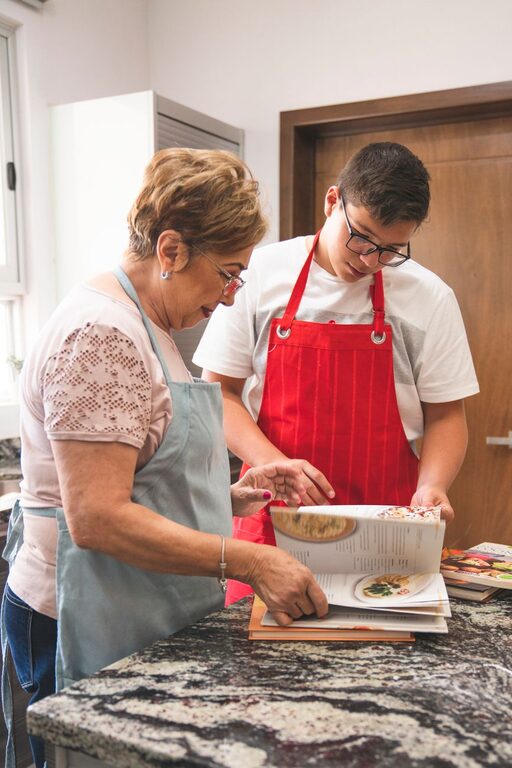
Community cookbook clubs are becoming increasingly popular among women 65 and older. These groups combine the appeal of a shared meal with the pleasure of collecting recipes, learning new skills, and telling personal stories.
Unlike a formal cooking class, a cookbook club does not require professional equipment or advanced experience. Members may meet in a library, community center, church hall, apartment common room, or someone’s home. Each gathering offers a simple reason to connect: choose a cookbook, prepare a recipe, and enjoy the results together.
The format is flexible, welcoming, and easy to adapt. Some clubs focus on family recipes and traditional dishes. Others explore regional cooking, international foods, baking, seasonal ingredients, or recipes from popular cookbooks.
Why These Clubs Are Gaining Attention
Several trends have helped community cookbook clubs grow.
Shared interests make it easier to connect
Many adults want regular social activities built around a genuine interest. Cooking provides an easy starting point for conversation, even when members have never met before.
A recipe can lead to stories about childhood meals, holiday traditions, travel, gardening, or family celebrations. These natural conversations help create a relaxed atmosphere without requiring members to plan formal entertainment.
Experience becomes part of the activity
Women 65 and older often bring years of cooking knowledge to the table. They may know how to stretch ingredients, adjust a recipe without special tools, prepare food for a large gathering, or preserve a family tradition.
A cookbook club gives that knowledge a place to be shared. At the same time, members can learn new techniques and discover ingredients they may not have used before.
The format is affordable
A cookbook club can operate with a small budget. Members can borrow books from the library, use free recipes, or select recipes from cookbooks they already own. Meetings may follow a shared-food format, with each person bringing a small dish or sample.
Clubs can also reduce costs by choosing one theme and allowing members to contribute ingredients according to their interests and budgets.
How a Cookbook Club Works
There is no single correct way to organize a cookbook club. The most successful groups usually begin with a clear, simple structure.
A typical meeting may include:
- A welcome and brief introduction
- A discussion of the selected cookbook or theme
- A tasting of prepared dishes
- A recipe exchange
- A conversation about the next meeting
Some groups meet monthly, while others prefer every six weeks or once per season. Meetings often last between one and two hours, depending on the number of members and the amount of food being shared.
A club may have six members or several dozen. Smaller groups can provide more conversation, while larger groups may divide into tables or rotate hosting duties.
Choosing a Theme
A theme gives each meeting direction and helps members decide what to prepare. It also keeps the club fresh over time.
Popular themes include:
– Family favorites
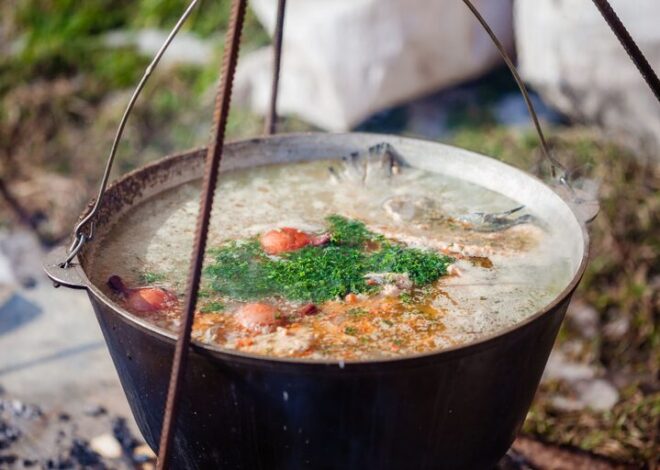
– One pot meals
– Regional cooking
– Breads and baking
– Summer produce
– Holiday traditions
– Breakfast and brunch
– Soups and stews
– Recipes from a specific decade
– Simple meals for one or two people
– Cooking with pantry staples
– Foods from a favorite travel destination
Themes can be broad or highly specific. For example, a group might choose “winter comfort foods” one month and “recipes with apples” the next.
Members can vote on themes in advance. This creates shared ownership and gives everyone a chance to suggest something meaningful.
Building a Welcoming Club
A friendly atmosphere matters as much as the food. New members should feel comfortable joining even if they do not consider themselves skilled cooks.
The group can establish a few simple guidelines:
– No recipe is required to be complicated.
– Store bought ingredients are welcome.
– Members may attend without bringing food when needed.
– Everyone has a chance to speak and contribute.
– Recipes should be shared in an easy-to-read format.
– Dietary preferences and food allergies should be discussed in advance.
– The club should avoid judging a dish or comparing cooking abilities.
These guidelines help keep the focus on participation rather than performance. A person who brings a family story, a printed recipe, or help with setting the table is contributing just as much as someone who prepares a dish.
Sharing Recipes and Memories
One of the most valuable parts of a cookbook club is the collection of personal recipes. A group may create a simple digital or printed cookbook after several months of meetings.
Each entry could include:
– The recipe name
– The contributor’s name
– A short story about the dish
– The occasion when it is usually served
– Preparation notes
– Optional photographs
A collection like this can become a record of the group’s history. It may also serve as a meaningful keepsake for members and their families.
Some clubs invite members to bring an old recipe card, handwritten cookbook, or photograph to discuss. These items often encourage conversations about changing ingredients, kitchen tools, family customs, and memorable celebrations.
Making Meetings Accessible
Good planning can help more people take part. Meeting locations should have comfortable seating, suitable lighting, and easy access to restrooms. If cooking is part of the gathering, organizers should consider counter height, available appliances, and clear walking paths.
The club does not need to prepare every dish on site. A tasting-only meeting may be more practical for some groups. Another option is a demonstration in which one member explains a recipe while others observe and ask questions.
Transportation can also affect participation. Clubs may coordinate rides, choose locations near public transportation, or alternate meeting places to make attendance easier.
Using Technology Without Losing the Personal Touch
Technology can support a cookbook club while keeping the main focus on in-person connection. Members might use email or a group message to share reminders, recipes, and meeting details.
A shared online folder can store recipes and photographs. Members who are comfortable with video calls may occasionally include someone who cannot attend in person.
Still, technology should remain optional whenever possible. Printed recipes, phone calls, and face-to-face planning can work just as well. The goal is to make participation easier, not to create extra requirements.
Starting a Club in Your Community
Anyone interested in starting a cookbook club can begin with a small invitation. Contact neighbors, friends, local organizations, libraries, or community centers. A first meeting might be a casual planning session rather than a full meal.
At that meeting, discuss:
– How often the group will meet
– Where meetings will take place
– Whether members will cook, bring dishes, or simply exchange recipes
– How themes will be selected
– How costs will be handled
– Whether guests are welcome
Starting small allows the group to learn what works. After a few meetings, members can adjust the schedule, format, and responsibilities.
More Than a Meal
Community cookbook clubs offer a simple way to bring people together. They celebrate practical knowledge, creativity, family traditions, and the enjoyment of sharing food.
For women 65 and older, these clubs can provide a welcoming setting for conversation and participation without demanding a particular level of cooking skill. Whether members prepare a treasured family dish or simply arrive ready to listen and taste, each gathering can add something valuable to the community.
The lasting success of a cookbook club is not measured by perfect recipes. It comes from the connections formed around the table and the stories that continue long after the meal is over.