
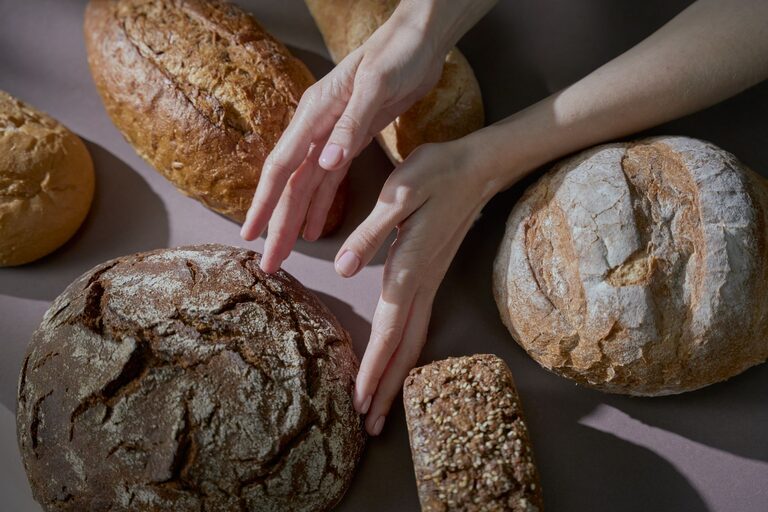
Easy Bread Baking Projects for Relaxed Weekend Mornings
A relaxed weekend morning is the perfect time to bake bread. There is no need to rush through a complicated recipe or fill your kitchen with special equipment. With a few basic ingredients, simple steps, and a little patience, you can make fresh bread that fills the room with a warm, inviting aroma.
These beginner-friendly projects are designed for easy weekend baking. Each one offers a different experience, from mixing a dough the night before to shaping soft rolls or cooking flatbreads in a skillet. Choose the project that matches your schedule and enjoy the process as much as the finished loaf.
Start With a Few Basic Ingredients
Most simple bread recipes use the same small group of ingredients:
– All-purpose or bread flour
– Water or milk
– Yeast
– Salt
– A little sugar or honey
– Butter or oil, depending on the recipe
For the best results, measure your flour carefully. Scooping flour directly from the bag can pack it into the measuring cup and lead to a dry dough. Spoon the flour into the cup, then level it with the back of a knife, or use a kitchen scale if you have one.
A large mixing bowl, wooden spoon, clean kitchen towel, and baking sheet are enough for many beginner recipes. A Dutch oven, loaf pan, or cast-iron skillet can be helpful, but they are not required for every project.
Project One: Overnight No-Knead Bread
No-knead bread is one of the easiest ways to begin baking. Instead of working the dough by hand, you simply mix the ingredients and let time develop the texture.
What You Will Need
– Flour
– Water
– Instant yeast
– Salt
– A large bowl
– Parchment paper
– A covered Dutch oven or baking dish
How It Works
Mix the flour, yeast, and salt in a bowl. Add water and stir until a sticky dough forms. Cover the bowl and leave it at room temperature overnight, or for about eight to twelve hours.
The next morning, turn the dough onto a lightly floured surface. Fold it over itself a few times, then shape it into a rough round. Let it rest while the oven heats.
For a crisp crust, bake the dough in a preheated covered pot. The cover traps steam, which helps the loaf expand and gives it a deep golden crust. Remove the cover near the end of baking so the top can brown.
This bread is especially satisfying because most of the work happens the night before. In the morning, you can bake it while preparing coffee or setting the table.
Project Two: Soft Breakfast Rolls
Soft rolls are a good choice when you want bread that is ready in a few hours. They are tender, lightly sweet, and easy to serve with butter, jam, or scrambled eggs.
Simple Method
Start by combining warm milk, yeast, and a small amount of sugar. The milk should feel warm, not hot. Very hot liquid can interfere with the yeast.
After a few minutes, add flour, salt, and softened butter. Stir until the dough comes together, then knead it by hand for about eight minutes. The dough should become smoother and spring back gently when pressed.
Place the dough in a lightly greased bowl, cover it, and let it rise until it looks puffy. Divide it into equal pieces and shape each piece into a ball. Arrange the rolls in a greased baking pan, leaving a little space between them.
Let the shaped rolls rise again before baking. Brush the tops with melted butter when they come out of the oven for a soft, flavorful finish.
Helpful Shaping Tip
To make evenly sized rolls, divide the dough in half, then divide each half again until you have the number of pieces you need. If precision is important, weigh the entire dough and divide the total by the number of rolls.
Project Three: Skillet Flatbreads
Flatbreads are ideal when you want a quick project without waiting for a long rise. They can be cooked on the stovetop and served warm with dips, soups, eggs, or roasted vegetables.
Mix flour, salt, baking powder, water, and a little oil to form a soft dough. Knead it briefly, then let it rest for about fifteen minutes. This short rest makes the dough easier to roll.
Divide the dough into small balls and roll each one into a thin round. Heat a dry skillet over medium-high heat, then cook the flatbreads one at a time. They are ready to turn when bubbles appear on the surface and the underside has light brown spots.
Keep cooked flatbreads under a clean towel so they stay warm and flexible. For extra flavor, brush them with melted butter or oil and sprinkle with dried herbs, garlic, or a little grated cheese.
Project Four: Simple Cinnamon Swirl Loaf
If you want a baking project that feels special, try a cinnamon swirl loaf. It uses a basic enriched dough and adds a sweet filling without requiring advanced decorating skills.
Prepare a soft yeast dough with milk, butter, sugar, flour, salt, and yeast. Let it rise until doubled in size. Roll the dough into a rectangle, spread it with softened butter, and sprinkle it with a mixture of cinnamon and sugar.
Roll the dough into a log, place it in a loaf pan, and let it rise again. Bake until the top is golden and the loaf sounds hollow when tapped.
For a neat swirl, roll the dough firmly but not tightly. Too much pressure can squeeze out the filling, while a loose roll may leave large gaps inside the loaf.
This bread is delicious warm, but let it cool for at least a short time before slicing. Waiting allows the center to set and makes cleaner slices.
How to Make Weekend Baking More Relaxed
Bread baking becomes easier when you prepare your workspace before starting. Set out your ingredients, read the recipe from beginning to end, and clear enough counter space for mixing and shaping.
Keep these habits in mind:
– Use a timer for rising and baking stages.
– Avoid adding too much flour while kneading.
– Give the dough enough time to rise.
– Check the bread a few minutes before the recipe’s suggested baking time.
– Let finished bread cool before cutting when possible.
– Write down changes you make for the next attempt.
Room temperature can affect how quickly dough rises. On a cool morning, the process may take longer. You can place the covered bowl in a turned-off oven with the light on, or set it near—but not directly on—a warm appliance.
A Simple Weekend Baking Plan
For an easy Saturday morning, prepare no-knead dough on Friday night and bake it after breakfast. If you prefer a more active project, start soft rolls in the morning and serve them for brunch.
You can also prepare cinnamon swirl dough the evening before, shape it, and refrigerate it overnight. Let it sit at room temperature while the oven preheats, then bake it fresh.
No matter which project you choose, remember that homemade bread does not need to look perfect. A slightly uneven loaf or rustic flatbread is part of its charm. The goal is to enjoy a calm baking ritual and share something warm and homemade at the end.