Handwritten Recipe Cards: A Creative Kitchen Hobby for Women 65+
Handwritten recipe cards are making a quiet return. In a world filled with cooking apps, online videos, and digital files, many women 65 and older are enjoying the simple pleasure of putting favorite recipes on paper.
This hobby combines creativity, cooking, memory keeping, and connection. A recipe card can be practical, decorative, or deeply personal. It may hold the instructions for a beloved family dish, a note from a friend, or a new recipe discovered in a magazine.
Creating recipe cards does not require artistic talent or expensive supplies. With a few cards, pens, and ideas, you can begin a project that is both useful and enjoyable.
Why Recipe Cards Make a Wonderful Hobby
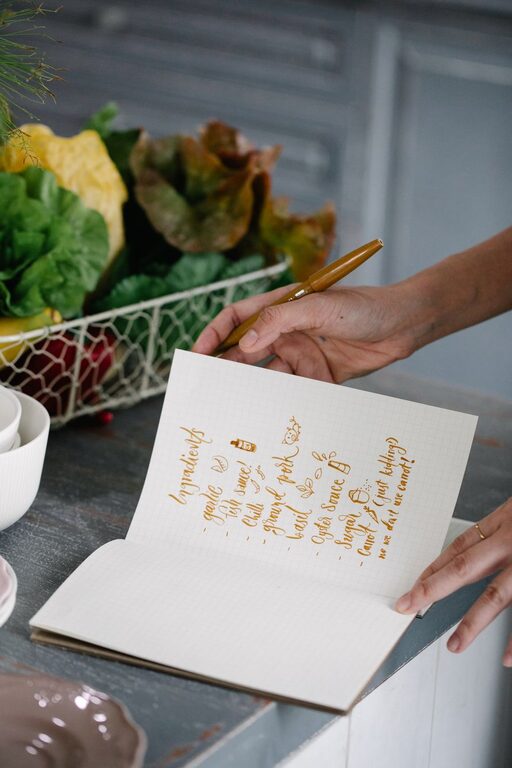
Handwriting a recipe encourages you to slow down and enjoy the process. Instead of quickly saving a recipe online, you can think about the ingredients, write helpful notes, and add your own style.
Recipe cards can also become small pieces of family history. A card may remind you of holiday meals, neighborhood gatherings, or afternoons spent cooking with someone special. Over time, a collection of cards can tell the story of your kitchen and the people who have shared it with you.
This hobby offers several simple pleasures:
– It encourages creativity without complicated rules.
– It creates a useful collection for your kitchen.
– It provides a way to preserve family traditions.
– It makes thoughtful gifts for friends and relatives.
– It can turn everyday recipes into personal keepsakes.
You can work on one card at a time, making the hobby easy to fit into a relaxed afternoon or a few quiet minutes each week.
Getting Started With Basic Supplies
The easiest way to begin is to gather a small set of supplies. You do not need a large craft area or a complicated storage system.
Consider using:
– Blank index cards or decorative recipe cards
– Pens with clear, easy-to-read ink
– Colored pencils or fine-tip markers
– A ruler for neat lines
– Stickers, stamps, or small paper shapes
– Envelopes or clear sleeves
– A recipe box, binder, or small basket
Choose materials that feel comfortable to use. If small writing is difficult to read, select larger cards and use a pen with bold, smooth lettering. A simple design with plenty of space can be just as attractive as a highly decorated card.
It is also helpful to keep a clean surface nearby. A kitchen table, writing desk, or portable tray can become your recipe-card station.
What to Include on Each Recipe Card
A good recipe card should be easy to follow. Before decorating, make sure the practical information is complete.
Include:
- The name of the recipe
- A list of ingredients
- Clear preparation steps
- Cooking or baking time
- Serving information
- Helpful notes or substitutions
- The source of the recipe
- The date it was written or updated
Personal notes can make a card especially valuable. You might write, “A favorite for the first cool weekend in October,” or “Best served with fresh fruit.” These details add warmth and help the recipe come alive.
For recipes that have been passed down, consider adding the name of the person who shared them. If you remember a story connected to the dish, write a short sentence on the back of the card.
Creative Ways to Decorate Recipe Cards
Recipe-card decorating can be as simple or elaborate as you like. The most important goal is to keep the writing readable and the card practical.
Try a Seasonal Theme
Use colors and small designs that match the season. A spring card might include flowers, while a winter recipe could feature snowflakes or warm holiday colors. Summer cards may look cheerful with fruit shapes or bright borders.
Add Food Illustrations
Simple drawings of apples, herbs, teacups, or mixing bowls can add personality. You do not need to create detailed artwork. A few lines or small shapes are enough.
Use Family Photographs
Small copies of family photographs can turn recipe cards into memory cards. Add a picture from a holiday meal, a garden, or a family gathering. Write the date and names on the back so the memory remains clear.
Include Decorative Paper
Scraps of wrapping paper, scrapbook paper, or old greeting cards can be used to create borders and accents. Glue decorations securely, but avoid covering the recipe or making the card difficult to handle.
Create a Handwriting Style
You might use one lettering style for recipe titles and another for the instructions. For example, write titles in larger letters and use simple print for the details. Consistency can make the collection look polished.
Building a Personal Recipe Collection
A recipe-card collection does not have to begin with dozens of recipes. Start with five to ten dishes that are meaningful or frequently prepared.
You could organize the cards into categories such as:
– Breakfast
– Soups and salads
– Main dishes
– Side dishes
– Breads and baking
– Desserts
– Drinks
– Family favorites
A binder with dividers makes it easy to add new cards. A recipe box creates a traditional look and works well for a smaller collection. Clear sleeves can help protect especially important cards from spills and stains.
If a card is used often, consider making a working copy. Keep the original in a safe place and use the copy while cooking.
Turning the Hobby Into a Social Activity
Handwritten recipe cards are even more enjoyable when shared with others. Invite a friend, sister, neighbor, or family member to create cards together. Each person can bring a favorite recipe and write a few copies to exchange.
A small recipe-card gathering might include:
– Tea or coffee
– Simple snacks
– Blank cards and pens
– A theme, such as holiday baking or summer salads
– Time to share the stories behind each recipe
You can also create a family recipe exchange. Ask relatives to contribute one favorite recipe and a short memory. Gather the cards in a box or binder that can be passed between family members.
For grandchildren or younger relatives, a handwritten card can be a special connection to family traditions. Add a short note explaining when you usually prepare the dish and why it matters to you.
Preserving Your Cards for the Future
Paper can fade, tear, or be damaged by kitchen spills. A few simple habits can help protect your collection.
Store recipe cards away from direct sunlight and excessive moisture. Keep treasured originals in protective sleeves or a lidded box. You may also scan or photograph important cards and save copies in a clearly labeled folder.
When taking a digital copy, include the front and back of the card. Handwritten notes, signatures, and dates are often just as meaningful as the recipe itself.
Remember that the goal is not perfection. Smudges, changes, and personal notes may become part of the story. A well-used card shows that it has played a role in everyday life.
Enjoying the Process
The return of handwritten recipe cards is not about giving up modern kitchen tools. It is about adding something personal to them. You can discover a recipe online, print it, and then rewrite it in your own words. You can use a phone for timing while keeping your favorite recipes on paper.
Most of all, this hobby offers a calm and creative way to celebrate food, memories, and connection. Whether you decorate one card a month or build a full collection, each card becomes a small reflection of your life in the kitchen.
Start with a favorite recipe, choose a comfortable pen, and let the collection grow naturally. Over time, your cards may become more than cooking instructions. They can become a colorful record of the meals, people, and moments that have made your kitchen special.