Why Homemade Pasta Is Becoming a Favorite Leisure Hobby
Homemade pasta is enjoying a renewed place in home kitchens. Once viewed as a time-consuming tradition reserved for special occasions, pasta making has become a relaxing leisure activity for people who want to slow down, learn a practical skill, and enjoy a meal they created themselves.
The appeal goes beyond the finished dish. Rolling dough, shaping noodles, and experimenting with flavors can turn an ordinary afternoon into a rewarding creative project. With a few basic ingredients and simple tools, almost anyone can begin.
Why Pasta Making Makes a Great Hobby
Many hobbies offer a break from screens and daily routines, but pasta making adds a useful and enjoyable result. The process encourages focus without requiring intense concentration. Each step is clear, hands-on, and easy to repeat.
A Creative and Practical Activity
Pasta dough provides a simple starting point for creativity. Once the basic technique becomes familiar, home cooks can explore different shapes, colors, fillings, and sauces.
Some popular ways to experiment include:
– Making long noodles such as tagliatelle or fettuccine
– Shaping small pieces such as orecchiette
– Preparing filled pasta such as ravioli
– Adding herbs, vegetables, or spices to the dough
– Pairing different pasta shapes with new sauces
Unlike some creative hobbies, pasta making produces something that can be shared and enjoyed right away. A batch of fresh pasta can become a family dinner, a weekend lunch, or a thoughtful homemade gift.
A Screen-Free Way to Unwind
Kneading and shaping dough involve repetitive movements that can feel calming. The work naturally encourages people to pay attention to texture, timing, and technique rather than outside distractions.
Pasta making can also be done at an unhurried pace. There is no need to complete every step quickly. Dough can rest while the cook prepares a sauce, cleans the workspace, or takes a short break. This flexibility makes the activity suitable for a quiet evening or a relaxed weekend.
Getting Started with Basic Ingredients
One reason homemade pasta is so approachable is that the ingredient list is short. A simple dough often requires only flour, eggs, water, and salt. Some recipes use water instead of eggs, while others combine different types of flour for a particular texture.
Choosing Flour
All-purpose flour is a convenient option for beginners because it is widely available and easy to handle. Some pasta recipes use semolina flour, which has a coarser texture and can add a pleasant bite. A blend of flours may offer a balance between softness and firmness.
It is helpful to begin with one reliable recipe rather than trying to change several ingredients at once. Once the dough feels familiar, small adjustments become easier to understand.
Mixing and Kneading the Dough
The dough can be mixed by hand on a clean work surface or in a bowl. After the ingredients come together, kneading helps develop a smooth and flexible texture.
A well-kneaded dough should feel soft but not sticky. If it feels dry or crumbly, a small amount of water can help. If it is too wet, a light dusting of flour may improve the texture.
After kneading, the dough usually needs to rest. Covering it prevents the surface from drying while the flour absorbs moisture. Resting also makes the dough easier to roll.
Tools That Make the Process Easier
A rolling pin and a sharp knife are enough to make pasta by hand. This simple approach allows beginners to learn how the dough behaves before purchasing specialized equipment.
As interest grows, a few tools can make the process more convenient:
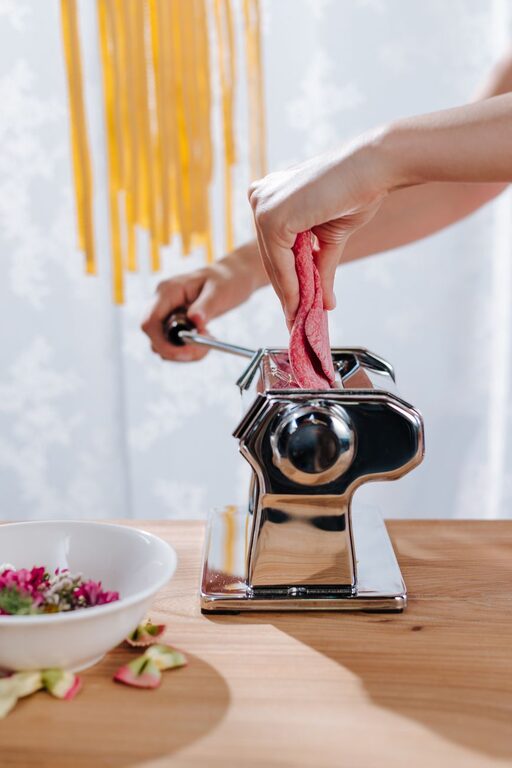
– A pasta machine for rolling and cutting dough evenly
– A bench scraper for dividing dough and cleaning the work surface
– A pasta wheel for cutting decorative edges
– A ravioli mold for making filled pasta
– A drying rack or clean towel for holding shaped noodles
None of these tools are essential at the beginning. Starting with basic equipment keeps the hobby affordable and helps new cooks decide which parts of the process they enjoy most.
Exploring Pasta Shapes and Techniques
Different pasta shapes provide small challenges and new opportunities to learn. Flat noodles are often a good starting point because they can be rolled and cut with simple tools. Once that process feels comfortable, cooks can try hand-shaped varieties.
Beginner-Friendly Shapes
Tagliatelle, fettuccine, and pappardelle are practical choices for first attempts. Their broad, flat surfaces are easy to create and pair well with many sauces.
Small hand-shaped pieces, such as cavatelli, can also be enjoyable. They do not require a pasta machine, and their slightly curved shape holds sauce well.
Filled pasta may take more practice, but it offers a satisfying project for a free afternoon. Ravioli can be filled with cheese, vegetables, mushrooms, or other ingredients. The key is to avoid overfilling and to press the edges firmly to prevent the filling from escaping during cooking.
Making the Hobby Social
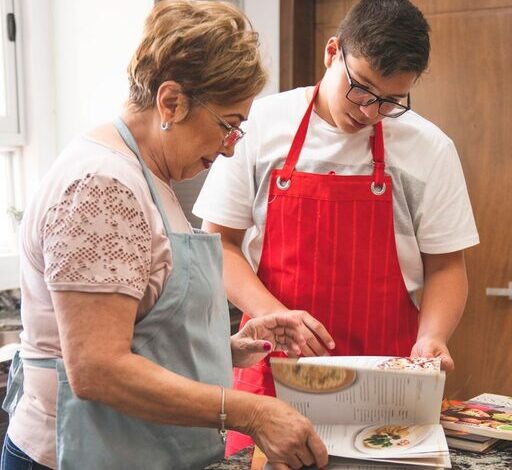
Although pasta making can be a peaceful solo activity, it is also well suited to groups. Friends or family members can prepare dough, shape pasta, and cook a meal together.
A casual pasta-making gathering might include:
- Preparing one or two batches of dough
- Dividing the dough among participants
- Trying several shapes
- Preparing a simple sauce together
- Cooking and tasting the results
Children can participate in age-appropriate tasks, such as rolling small pieces of dough or shaping simple pasta. Group cooking also creates an opportunity to share techniques and compare different approaches.
The goal does not need to be perfect pasta. The shared process, conversation, and meal are often the most enjoyable parts.
Learning Through Small Experiments
Homemade pasta rewards curiosity. A small change in flour, thickness, or cooking time can affect the final texture. Keeping notes can help cooks remember what worked and what they would like to adjust next time.
Useful experiments include:
– Rolling the dough thinner or thicker
– Comparing egg-based and water-based dough
– Trying different pasta shapes with the same sauce
– Adding finely chopped herbs to the dough
– Testing fresh pasta against dried pasta in familiar recipes
These experiments turn pasta making into an ongoing learning experience. Each batch provides useful information, and occasional mistakes become part of the process rather than a reason to stop.
A Hobby with Lasting Appeal
The growing interest in homemade pasta reflects a broader desire for hands-on activities that combine creativity and everyday usefulness. Pasta making is approachable, adaptable, and easy to share. It can be a quick weekday project or a longer weekend activity, depending on the cook’s schedule.
Most importantly, it offers more than a homemade meal. It creates time to focus, practice, and connect with others. Whether someone begins with a rolling pin and a knife or eventually builds a collection of pasta tools, the hobby can continue to develop at a comfortable pace.
For anyone looking for a satisfying way to spend leisure time, homemade pasta is a delicious place to begin.