Traditional Soup-Making Techniques Worth Rediscovering
Why Traditional Soup Techniques Still Matter
Soup is one of the oldest forms of home cooking, and its basic methods have changed surprisingly little over time. Before convenience foods and high-powered kitchen appliances, cooks built flavor slowly with simple ingredients, careful timing, and practical tools.
These techniques remain useful today because they make the most of what is already in the kitchen. A few vegetable trimmings can become a flavorful broth. A handful of beans can add body and richness. Stale bread, leftover grains, or a small piece of cheese can transform a simple pot into a satisfying meal.
Rediscovering traditional soup-making does not mean following strict rules. It means paying attention to ingredients, texture, and time.
Start With a Homemade Broth
A good broth is the foundation of many traditional soups. It does not need to be complicated or made from expensive ingredients. The goal is to gently draw flavor from vegetables, herbs, bones, beans, or meat.
Save useful kitchen scraps
Keep a container in the refrigerator or freezer for clean vegetable trimmings, such as:
– Onion ends and skins
– Carrot peels and tops
– Celery leaves and ends
– Mushroom stems
– Herb stems
– Parsley stalks
– Garlic skins
Avoid scraps that are moldy, spoiled, or strongly bitter. When enough has collected, place the vegetables in a pot, cover them with water, and simmer gently. Strain the liquid when it tastes pleasantly savory.
For a meat-based broth, bones can be simmered with vegetables and herbs. Chicken, beef, pork, and even fish bones each create a different character. Traditional cooks often used bones because they added flavor while stretching a meal.
Keep the heat gentle
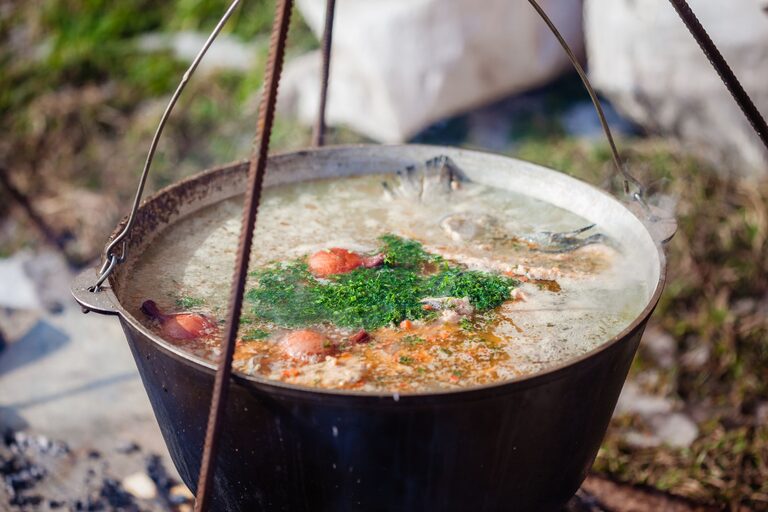
A rolling boil can make broth cloudy and may give it a harsh taste. A quiet simmer is usually better. Look for small bubbles rising occasionally around the edges of the pot.
Broth can simmer for an hour or several hours, depending on the ingredients. Vegetable broth usually needs less time, while larger bones benefit from a longer cooking period.
Build Flavor in Layers
Many classic soups begin with a slow-cooked mixture of onions, carrots, and celery. This combination, known by different names in various cuisines, provides a balanced base of sweetness, aroma, and savory flavor.
Warm a little oil or butter in a heavy pot, then add the vegetables with a pinch of salt. Cook them over medium-low heat until they soften. This may take 10 to 15 minutes, but the extra time is worthwhile.
Add ingredients in the right order
Traditional soup makers rarely add everything at once. Instead, they add ingredients according to how long each one takes to cook.
A common sequence is:
- Cook onions and other aromatics until soft.
- Add garlic, spices, or herbs for a short time.
- Stir in tomato paste or flour if using.
- Add broth, water, or another cooking liquid.
- Add firm vegetables, beans, or meat.
- Add delicate greens, noodles, or fresh herbs near the end.
This approach helps each ingredient keep its best flavor and texture.
Brown Ingredients Before Simmering
Although many soups begin with raw ingredients, browning can add remarkable depth. Traditionally, cooks browned meat, mushrooms, onions, or root vegetables before adding liquid.
Browning creates a richer, more complex flavor and can make a simple soup taste as though it has been cooking all day. Use a wide pot so the ingredients have room to touch the hot surface. If the pot is crowded, the food may steam instead of brown.
After browning, add a small amount of water or broth and scrape the bottom of the pot with a wooden spoon. Those browned bits contain concentrated flavor and will blend into the soup.
Use Time to Improve Texture
Slow simmering is one of the simplest traditional techniques. It allows tough ingredients to soften and gives flavors time to combine.
This is especially useful for:
– Dried beans
– Pearl barley
– Split peas
– Tough cuts of meat
– Root vegetables
– Homemade stocks
The soup should be hot enough to cook the ingredients but not so hot that it boils aggressively. Stir occasionally, especially when using beans, grains, or thickening ingredients that may settle on the bottom.
If a soup becomes too thick while cooking, add more broth or water. If it is too thin, continue simmering uncovered so some of the liquid can evaporate.
Thicken Soup Without Packaged Mixes
Traditional cooks used many simple ways to give soup a fuller body.
Blend part of the soup
For bean, lentil, potato, or vegetable soups, remove a portion and blend it until smooth. Return it to the pot for a naturally creamy texture without adding cream.
A potato masher can create a rustic texture, while a blender produces a smoother result. Blending only part of the soup preserves some visible pieces and gives the bowl more character.
Use bread or grains
Stale bread has long been used to thicken soups. Tear it into small pieces and let it soften in the pot, then mash or blend it. This works especially well in hearty vegetable soups.
Rice, barley, oats, and cornmeal can also add body. Add them early enough to cook completely, and remember that they will continue absorbing liquid as the soup sits.
Finish with dairy
Milk, cream, yogurt, or grated cheese can create a smooth finish. Add dairy toward the end and use gentle heat to prevent curdling. A small amount is often enough to change the texture without overpowering the other ingredients.
Season Throughout the Cooking Process
Traditional soup making depends on gradual seasoning rather than adding all the salt at the end. A small amount at the beginning helps draw moisture from vegetables and develop their flavor.
Taste the soup at several stages. Broth, vegetables, beans, and grains can all change the balance as they cook. Add more salt carefully, especially if the broth, meat, or cheese is already seasoned.
Fresh herbs can be added at different times. Hardy herbs such as thyme, rosemary, and bay leaves can simmer with the soup. Delicate herbs such as parsley, basil, cilantro, or chives are usually best added near the end.
A final splash of acidity can also brighten a heavy soup. Try a little lemon juice, vinegar, or tomato, depending on the recipe. Add it gradually and taste after each addition.
Embrace Rustic Texture
Not every soup needs to be perfectly smooth. Traditional soups often feature uneven pieces, visible vegetables, and a thick, hearty consistency.
Cut ingredients into similar sizes so they cook at a similar rate, but do not worry about making every piece identical. A rustic soup can feel more homemade and inviting.
You can also combine textures in one pot:
– Creamy beans with crisp toppings
– Soft vegetables with chewy grains
– Smooth broth with tender noodles
– Pureed soup with roasted seeds or toasted bread
A simple garnish adds contrast. Chopped herbs, toasted crumbs, roasted nuts, olive oil, or a spoonful of yogurt can make the finished soup more appealing.
Make Soup a Practical Kitchen Habit
One of the most valuable traditional lessons is that soup does not require a perfect recipe. It is a flexible way to use what is available.
Start with a flavorful base, add a few vegetables, include a source of protein or grains, and adjust the seasoning at the end. Leftover roasted vegetables, cooked beans, rice, pasta, or shredded meat can all find a place in the pot.
Write down combinations you enjoy, but leave room for variation. The same basic method can produce a different soup each week.
Traditional soup making rewards patience, resourcefulness, and attention. By slowing down the process, using simple ingredients, and building flavor in stages, you can create soups that are economical, comforting, and full of character.