How to Start a Windowsill Herb Garden for Fresh Culinary Ideas
Why Grow Herbs on a Windowsill?
A windowsill herb garden is a simple way to grow fresh ingredients in a small space. You do not need a backyard, special equipment, or extensive gardening experience. With a few containers, quality potting mix, sunlight, and regular care, you can enjoy herbs throughout much of the year.
Freshly picked herbs can make everyday meals taste brighter and more complete. A handful of basil can transform a simple pasta dish, while mint can add a refreshing touch to water, fruit, or yogurt. Growing your own herbs also makes it easier to try new flavors without buying a large bundle that may go unused.
Choose the Right Windowsill
The best location is a bright windowsill that receives several hours of sunlight each day. Many culinary herbs grow well in a south-facing or west-facing window, although an east-facing window may also provide enough light for herbs that prefer gentler conditions.
Before setting up your garden, check the area for:
– At least four to six hours of sunlight
– A comfortable room temperature
– Easy access to water
– Enough space for containers
– Protection from cold drafts and heating vents
A kitchen windowsill is convenient, but it is not the only option. A bright window in a dining room, living room, or home office can work just as well. If natural light is limited, choose herbs that tolerate lower light or use a small indoor grow light.
Select Beginner-Friendly Herbs
Start with herbs that match your cooking habits and growing conditions. Choosing familiar favorites makes it easier to enjoy the garden and notice whether each plant is thriving.
Basil
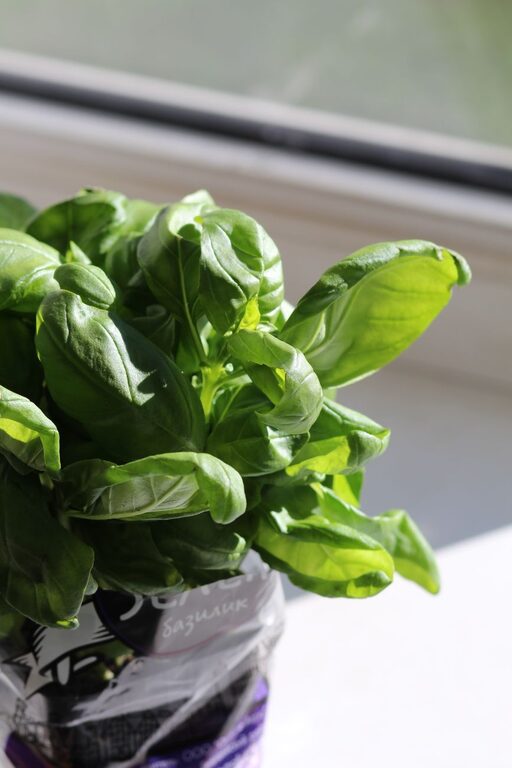
Basil grows quickly in warm, sunny conditions. Its sweet, peppery leaves are useful in pasta, sandwiches, salads, sauces, and homemade dressings. Pinch off the top leaves regularly to encourage fuller growth.
Parsley
Parsley is a dependable choice for many windowsill gardens. Both curly and flat-leaf varieties work well in soups, roasted vegetables, grain dishes, sauces, and garnishes. It usually prefers bright light and evenly moist soil.
Chives
Chives require little space and are easy to harvest. Their mild onion flavor works well in baked potatoes, scrambled eggs, dips, salads, and creamy sauces. Cut the green stems with scissors, leaving a few inches of growth behind.
Mint
Mint grows vigorously and can spread quickly, so it is best kept in its own container. Use it in iced tea, fruit salads, sauces, desserts, and refreshing drinks. Mint often prefers bright, indirect light and slightly moist soil.
Thyme
Thyme is a compact herb with small, fragrant leaves. It prefers plenty of sunlight and soil that dries slightly between waterings. Add it to roasted vegetables, beans, soups, chicken, and savory breads.
Oregano
Oregano enjoys sunlight and can tolerate periods of slightly dry soil. Its strong flavor is useful in tomato sauces, pizza, roasted vegetables, marinades, and Mediterranean-inspired dishes.
You do not need to grow every herb at once. Choose two or three that you are most likely to use each week.
Pick Suitable Containers
Herbs need containers with drainage holes. Excess water trapped around the roots can cause problems, especially in small indoor pots. Place each container on a saucer or tray to protect the windowsill from moisture.
Choose pots that are:
– Large enough for the plant’s roots
– Heavy enough to remain stable
– Easy to move for cleaning or better sunlight
– Equipped with drainage holes
Small nursery pots can work temporarily, but herbs may eventually need more room. A container that is about six inches wide is a practical starting point for many individual plants. Keep mint separate from other herbs because its roots and stems can spread quickly.
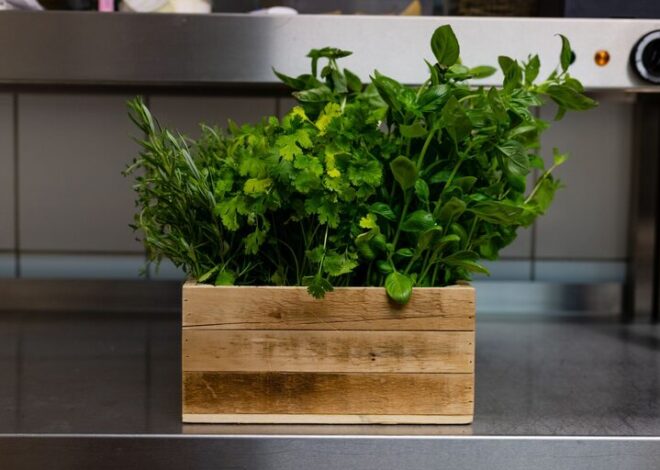
If you prefer a single planter box, group herbs with similar water and light needs. For example, basil and parsley may grow well together, while thyme and oregano are better paired with herbs that prefer slightly drier soil.
Use the Right Potting Mix
Use a lightweight indoor potting mix rather than soil taken from the garden. Indoor potting mix provides better drainage and helps prevent the container from becoming too heavy or compacted.
Fill the container without pressing the mix down too firmly. Leave a small amount of space below the rim so water does not spill over when you water the plant. If the mix settles after a few weeks, add a small amount of fresh potting mix to maintain the level.
Plant or Purchase Herbs
You can begin with seeds, young plants, or cuttings.
Starting with young plants is often easiest for beginners because you can harvest sooner. Look for plants with healthy green leaves, sturdy stems, and no visible signs of damage. Avoid plants that appear wilted or have crowded, tangled roots.
Growing from seed offers more variety and can be rewarding, but it requires patience. Follow the seed packet instructions for planting depth, spacing, and light. Keep the mix lightly moist while seeds germinate, but avoid soaking it.
Some herbs, including mint and basil, can also grow from cuttings. Place a healthy cutting in water until roots develop, then transfer it to potting mix.
Create a Simple Care Routine
Consistent care is more important than complicated equipment. Check your herbs every day or two, especially during warm or dry weather.
Water Carefully
Water when the top layer of soil feels slightly dry. Add water slowly until a little drains from the bottom, then empty the saucer. Avoid watering on a fixed schedule if the soil is still damp.
Different herbs use water at different rates. Basil and parsley generally prefer more consistent moisture, while thyme and oregano prefer the soil to dry somewhat between waterings.
Rotate the Containers
Plants naturally lean toward the light. Turn each container a quarter turn every few days to encourage balanced growth. If stems become long and weak, the plant may need more sunlight.
Prune Regularly
Harvesting is also a form of pruning. Cut just above a set of leaves to encourage new growth. For basil, remove flower buds as soon as they appear if you want to focus the plant’s energy on leaves. Letting herbs flower is not harmful, but the leaves may become stronger or slightly different in flavor.
Feed Occasionally
Most indoor herbs do not need frequent feeding. During active growth, use a balanced indoor plant fertilizer according to the product instructions. Avoid adding more than recommended, since excess fertilizer can damage roots and create unwanted buildup in the soil.
Harvest Herbs for Better Flavor
Harvest herbs just before you plan to use them. Morning is often a good time because the leaves are fresh and well hydrated. Use clean scissors or kitchen shears rather than pulling at the stems.
Follow these simple guidelines:
– Harvest no more than one-third of the plant at a time
– Take older outer leaves first when appropriate
– Cut stems just above a leaf pair
– Remove damaged or yellow leaves
– Use soft herbs soon after cutting
If you harvest more than you need, place tender herbs such as basil or parsley in a glass with a small amount of water. Cover them loosely and store them in the refrigerator, depending on the herb. Hardier herbs can often be wrapped lightly in a damp paper towel.
Turn Fresh Herbs Into Culinary Ideas
A windowsill garden becomes more useful when you experiment with small amounts. You do not need a complicated recipe to enjoy fresh herbs.
Try these easy ideas:
– Stir chopped chives into scrambled eggs or baked potatoes
– Add basil to tomato toast, pasta, or a simple sandwich
– Mix parsley with lemon zest and breadcrumbs for a bright topping
– Add mint to fruit, iced tea, or plain yogurt
– Combine thyme with roasted carrots, potatoes, or mushrooms
– Blend oregano with olive oil, garlic, and vinegar for a quick dressing
You can also make a simple herb butter by mixing softened butter with chopped herbs, lemon zest, and a pinch of salt. Use it on warm bread, vegetables, rice, or grilled foods.
Keep the Garden Enjoyable
Start small and observe how each herb responds to its location. If a plant struggles, move it closer to a brighter window, adjust watering, or give it a larger container. Growing herbs is a learning process, and small changes can make a noticeable difference.
With a few reliable plants and a regular care routine, your windowsill can become a steady source of fresh flavor. Even a small harvest can inspire new meals and make everyday cooking more enjoyable.